October 7, 2026
Severe storms can change the condition of a property in a matter of hours. Strong winds, heavy rain, lightning, and other weather conditions can break branches, split trunks, uproot trees, and leave damaged growth throughout a landscape. In some cases, storm damage is immediately visible, while other problems may remain difficult to identify until the tree is professionally evaluated. Prompt tree removal can be an important part of restoring a property after severe weather, particularly when damaged trees present ongoing concerns for structures, people, vehicles, or surrounding landscaping.
Assessing Storm-Damaged Trees
Storm damage can affect trees in many different ways depending on their size, species, location, and overall condition before the weather event. A tree may be leaning, partially uprooted, split along the trunk, or left with major limbs hanging from the canopy. Even when a tree remains standing, structural damage can affect its stability and create concerns that are not immediately apparent from a distance. A professional assessment can help determine whether the tree can remain in place or requires more extensive attention.
Tree removal may become necessary when storm damage has compromised a tree's structural integrity. Professionals can evaluate the trunk, major branches, root area, and surrounding conditions when determining how severe the damage may be. This type of evaluation is particularly important after high winds because trees can sustain internal or structural damage even when portions of the canopy still appear intact. Addressing serious damage promptly can help prevent an unstable tree from becoming a larger property concern.
Addressing Unstable Tree Structures
A damaged tree can become unstable after a severe storm, especially when its root system has been disturbed. Uprooted or partially uprooted trees may shift further as the ground settles or as additional weather affects the property. Split trunks and severely damaged branches can also alter how weight is distributed throughout the tree. These conditions can make the tree more difficult to manage and may increase concerns about where damaged portions could fall.
The size of a storm-damaged tree can make these conditions even more significant. According to The Spruce, medium-sized trees generally stand between 10 and 20 feet tall, while extra-large varieties, including cottonwoods, can exceed 50 feet. Larger trees have substantial height and mass, meaning storm damage involving these trees can require specialized professional attention. Experienced tree professionals can assess the situation and determine the appropriate approach based on the tree's size, condition, and location.
Protecting Structures and Vehicles
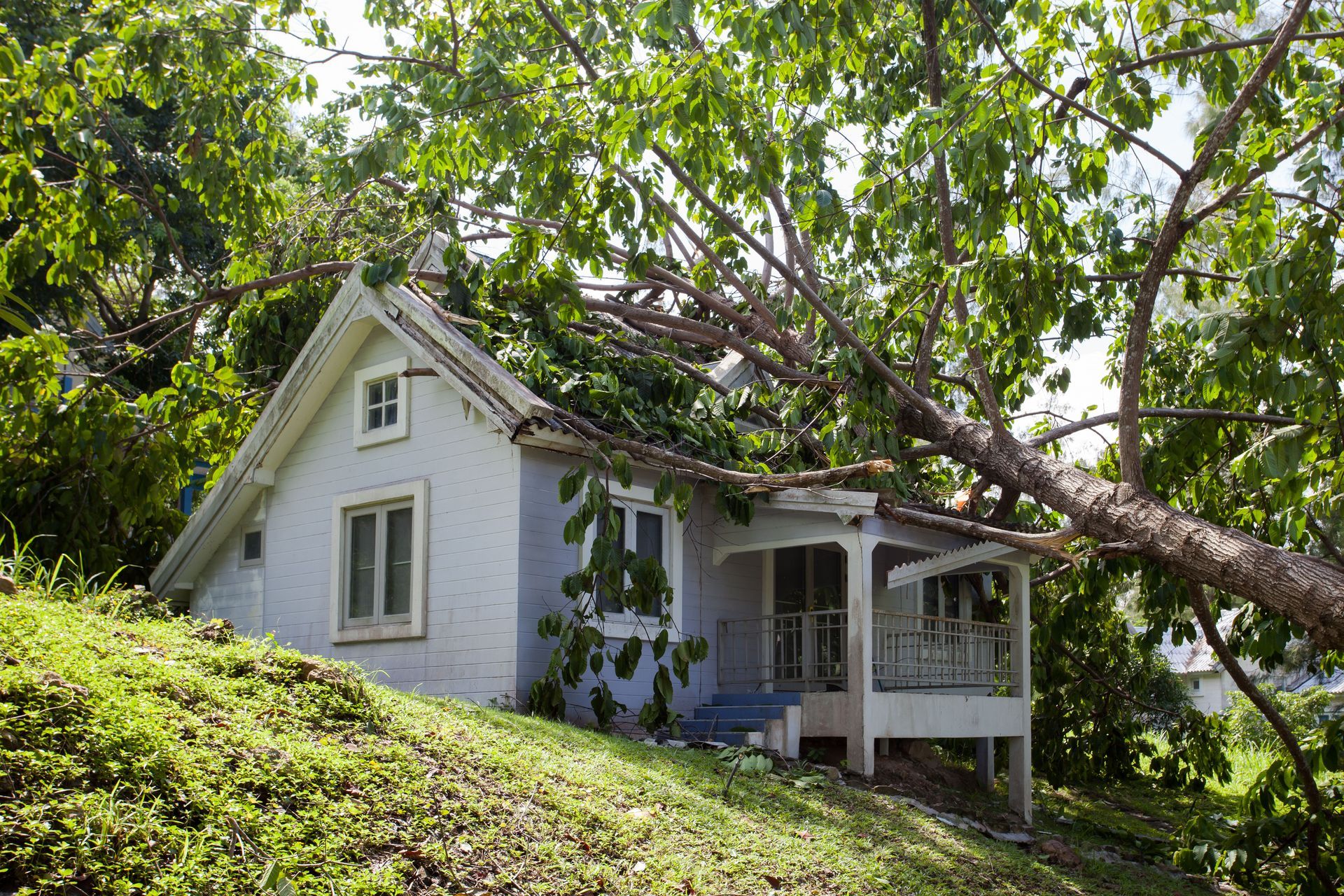
Trees located near homes, garages, sheds, fences, driveways, and other structures can create additional concerns after severe weather. Broken limbs may rest against roofs or walls, while leaning trunks can place pressure on nearby structures. A damaged tree may also remain positioned above vehicles or areas where people regularly move around the property. Prompt professional attention can help address these concerns before additional movement or weather conditions create further complications.
Tree removal can be particularly important when a severely damaged tree threatens a structure or occupies a high-traffic area. Professionals can evaluate the tree's position and surrounding obstacles before determining how the damaged growth should be handled. Removing a compromised tree can eliminate an ongoing structural concern when leaving it in place is no longer appropriate. This can also make it easier to begin cleanup and restore normal use of affected portions of the property.
Preventing Additional Storm Damage
A tree damaged during one storm may be more vulnerable during subsequent weather events. Remaining branches can become weakened, while a compromised trunk or root system may have less stability than before. If another period of strong wind or heavy precipitation occurs, existing damage could worsen. Addressing seriously damaged trees after the initial storm can therefore be an important part of preparing the property for future weather conditions.
Professional tree care can help identify which damaged trees require immediate attention and which may be candidates for continued monitoring. Not every tree affected by a storm necessarily requires complete removal, but severe structural damage can change that assessment. A professional evaluation provides a clearer understanding of the tree's condition and the risks associated with leaving it in place. This allows property owners to make informed decisions about the damaged trees throughout their landscape.
Managing Broken Branches
Storms frequently leave branches scattered across lawns, driveways, roofs, and other portions of a property. Some branches may be small and easily moved, while larger limbs can remain suspended in the canopy or become lodged against structures. Hanging or partially detached branches can continue to shift after the storm, creating additional concerns. Professional tree crews can assess damaged limbs and determine how they should be addressed as part of the overall cleanup.
In some situations, broken branches may be an indication that the entire tree has sustained more serious damage. Cracks extending into major limbs, large sections of missing canopy, or damage near the trunk can affect the tree's overall structure. When these conditions are present, professionals can determine whether branch removal alone is sufficient or whether the tree itself requires removal. This broader evaluation helps ensure that cleanup addresses underlying structural concerns rather than only visible debris.
Clearing Hazardous Storm Debris
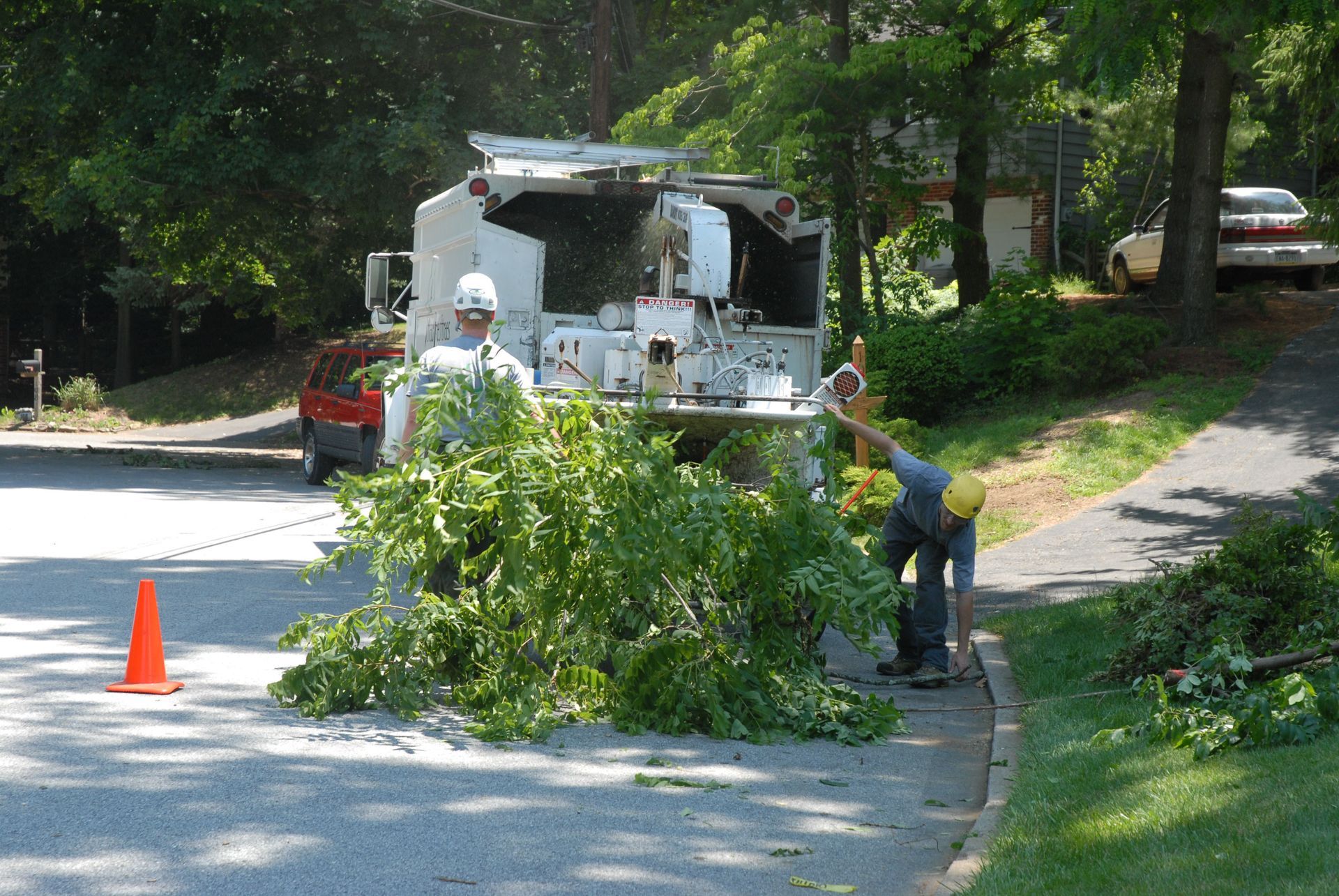
Storm debris can make a property difficult to access and may create additional hazards throughout the landscape. Large branches, sections of trunks, and uprooted trees can block driveways, walkways, entrances, and other important areas. Debris may also conceal damaged surfaces or other property concerns that developed during the storm. Professional cleanup can help restore access while addressing the damaged vegetation responsible for the obstruction.
Tree removal services can be especially valuable when fallen or severely damaged trees are too large or complicated to manage as ordinary yard debris. Professionals have equipment and experience suited to handling substantial tree material and difficult site conditions. Their involvement can help organize the removal process around nearby structures, landscaping, and access points. This can make post-storm cleanup more comprehensive and manageable for property owners.
Preserving Surrounding Landscape
Storm-damaged trees can affect more than the trees themselves. Falling limbs or trunks may damage shrubs, gardens, fencing, outdoor structures, and other landscaping features. In addition, unstable trees may continue to pose concerns for healthy trees growing nearby. Addressing severely damaged trees can help property owners begin restoring the broader landscape after a major weather event.
Tree removal can also open affected areas for additional landscape evaluation. Once a damaged tree is removed, professionals can assess surrounding vegetation and identify other conditions that may require attention. This can be useful when storms have affected several trees throughout a property rather than creating one isolated problem. Comprehensive post-storm care can help return the landscape to a more orderly condition.
Supporting Post-Storm Property Recovery
Storm recovery often involves more than clearing visible debris. Property owners may need to address damaged roofing, fencing, landscaping, outdoor structures, and other features affected by severe weather. Trees can be particularly complicated because their size, weight, and structural condition may continue to create concerns after the storm has passed. Coordinating professional tree care as part of the recovery process can help address these issues systematically.
A professional assessment can also help property owners understand which trees require immediate action and which may remain viable after appropriate care. This distinction is important because storm damage varies significantly from one tree to another. Professionals can consider the tree's structure, location, condition, and surrounding property when developing a response. Addressing the most serious hazards first can help support a more organized recovery process.
Contact JJC Tree Services LLC to discuss your post-storm tree concerns and schedule professional service. Whether a storm has left behind fallen trees, damaged trunks, unstable growth, or extensive debris, our team can evaluate the situation and help determine the appropriate next steps. Prompt professional attention can help you move forward with property cleanup while addressing damaged trees that may continue to create concerns.