June 25, 2026
Trees provide immense beauty and shade to residential landscapes. Foliage enhances curb appeal and creates peaceful outdoor environments. Homeowners appreciate the aesthetic appeal of a lush green canopy. According to Bob Vila, mature trees that are well-maintained can boost property value by up to 15%. This fact highlights the financial benefit of proper arboricultural care. Preserving greenery remains a high priority for community enhancement. Yet, property owners must prioritize structural safety above aesthetic preferences.
Situations arise where preserving a timber specimen poses unacceptable risks. Dead branches and failing trunks threaten homes, vehicles, and pedestrians. Recognizing these hazards requires vigilance and a basic understanding of arboricultural health. Ignoring warning signs leads to catastrophic property damage and potential injury. Utilizing professional tree removal services mitigates these extreme dangers. Removing a failing specimen protects the environment and ensures safety.
Assessing Risks From Structural Instability
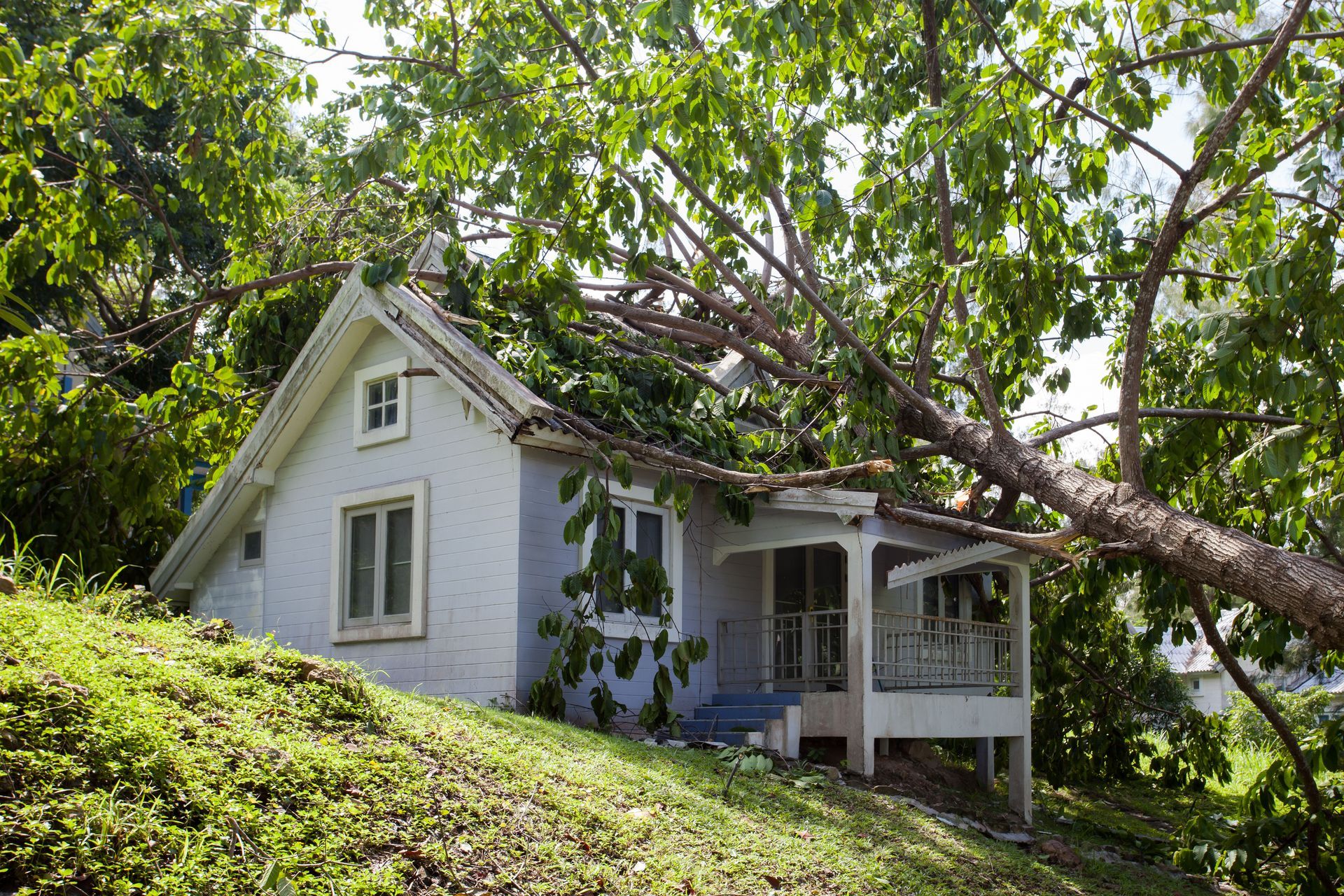
Structural instability remains a paramount concern for vigilant property owners. A trunk exhibiting severe leans indicates a compromised root plate or internal decay. Gravity exerts a tremendous force upon a heavy, leaning mass of timber. Soil heaving at the base provides clear evidence of impending failure. The entire structure becomes a massive liability for the homeowner. Decisive action prevents the trunk from crushing adjacent rooftops.
Large cracks extending along the main trunk signal imminent collapse. These fissures compromise the load-bearing capacity of the solid wood. Sap seeping from deep splits indicates severe stress and internal failure. Woodpecker activity along these cracks suggests insect infestations weakening the core. A hollowed center means the specimen lacks the strength to support a massive canopy. The lack of internal support makes the structure prone to failure.
Tight branch unions present inherent weaknesses in the tree structure. Bark becomes trapped between these narrow angles during seasonal growth. This trapped bark prevents the formation of strong wood connections between limbs. Heavy foliage places immense strain on these weak structural joints. Breakage becomes inevitable during periods of high wind or driving rain. Falling limbs pose severe threats to structures and vehicles parked beneath the canopy.
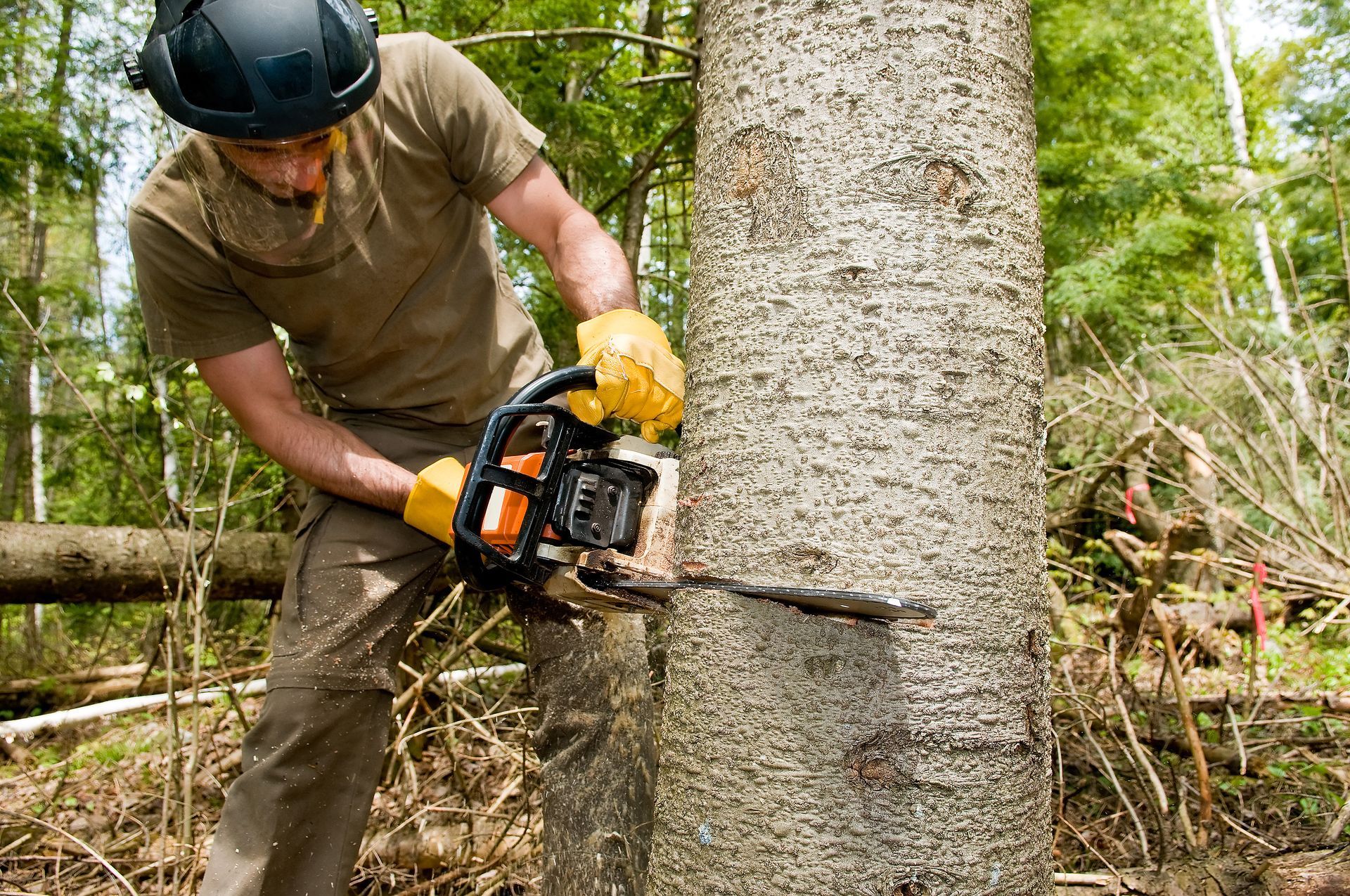
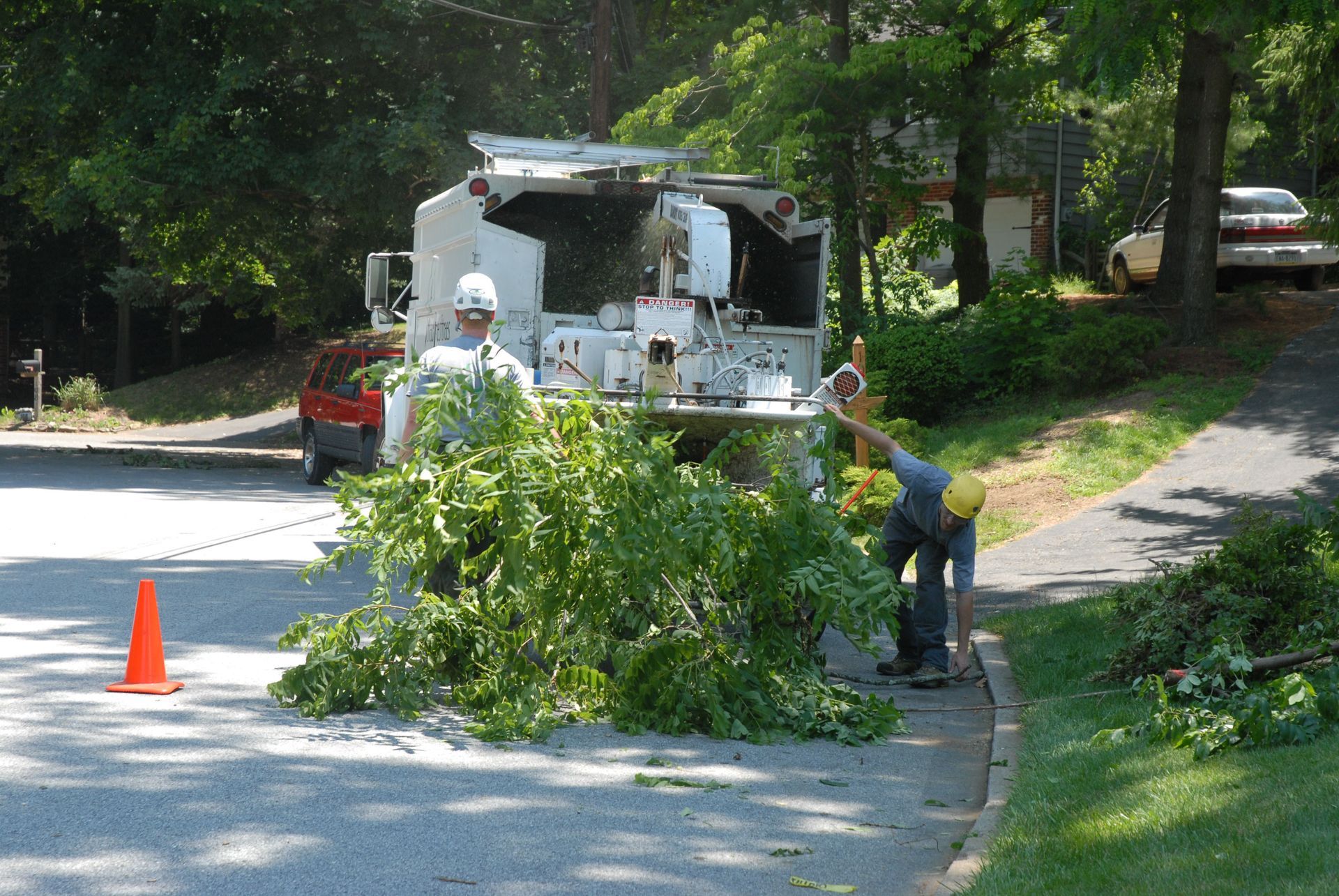
Relying on expert assessments provides clarity when structural failure seems possible. Arborists identify subtle signs of weakness invisible to the untrained eye. Calling expert tree removal services ensures a safe extraction process. Specialists utilize heavy equipment to dismantle the unstable mass in systematic sections. Such methodical extraction prevents collateral damage to surrounding residential structures. The systematic approach guarantees a secure work zone during the operation.
Identifying Dangers From Disease Progression
Fungal infections devastate the internal stability of hardwood and softwood species. Shelf mushrooms growing on the lower trunk indicate profound interior decay. These fruiting bodies consume the structural lignin and cellulose of the living wood. The presence of such fungi means the internal core resembles a soft sponge, lacking solid timber strength. Decay spreads with brutal efficiency through the vital vascular system. The compromised vascular system cannot sustain the massive weight above.
Pathogens cause canopy dieback and progressive foliage loss across the crown. Bare branches in the middle of summer indicate severe biological distress. The lack of leaf production halts photosynthesis and starves the giant organism. Brittle, dead wood creates an unpredictable hazard for anyone in the vicinity. Falling limbs threaten anyone walking beneath the deteriorating leaf canopy. Dead branches shatter upon impact and drop sharp debris across lawns.
Insect infestations compound the damage initiated by lethal fungal pathogens. Borers tunnel through the phloem and disrupt the flow of vital nutrients. Emerald ash borers and pine beetles devastate populations of native greenery. The gallery patterns etched beneath the bark disrupt all crucial biological functions. The host succumbs to the brutal attack and becomes a standing hazard. Dead vegetation attracts other pests and creates cascading ecological problems.
Advanced disease leaves no options for recovery or basic botanical rehabilitation. Leaving a diseased mass standing creates a vector for spreading pathogens to healthy vegetation. Scheduling immediate tree removal services stops the spread of devastating pests and disease. Safe extraction eliminates the deadweight and protects the remaining healthy landscape. The yard regains a measure of safety following the massive extraction. Proper disposal of the diseased wood prevents future environmental contamination.
Evaluating Hazards From Root Encroachment
Subterranean root systems expand beyond the visible canopy spread. These aggressive underground networks seek moisture and nutrients with physical force. Foundation walls suffer great pressure from expanding root masses adjacent to the home. Concrete cracks and shifts under the relentless subterranean expansion. Compromised foundations lead to severe structural issues for the entire residence. Costly repairs become necessary to stabilize the compromised structural foundation.
Plumbing infrastructure presents an attractive target for thirsty subterranean roots. Feeder roots infiltrate microscopic cracks in underground sewer pipes. The intrusion expands and creates massive clogs and catastrophic pipe bursts. Sewage backups and water line failures cause extensive property damage within homes. Repairing underground utilities demands significant financial resources and extensive yard excavation. Homeowners face massive repair bills due to underground plumbing infiltration.
Surface roots create distinct tripping hazards across manicured lawns and walkways. Sidewalks heave and shatter as thick roots emerge from the underlying soil. Driveways crack and buckle under the expanding underground pressure. These uneven concrete surfaces endanger pedestrians and violate municipal safety codes. The liability falls upon the homeowner to maintain safe passage for pedestrians. Smooth pathways prevent trip injuries and keep properties compliant.
Severing major roots to fix concrete destabilizes the entire botanical structure. Cutting the underground support system deprives the foliage of water and creates a tipping hazard. Securing professional tree removal services provides a safe resolution to the problem. Eradicating the source of the root encroachment protects homes and adjacent sidewalks. The property remains secure from ongoing damage after the extraction. A clear underground zone allows for proper repair of pipes and foundations.
Addressing Threats From Storm Damage
Severe weather events inflict sudden, catastrophic damage upon mature vegetation. Lightning strikes boil the internal sap and shatter massive solid trunks. The massive electrical charge creates deep gouges and compromises structural integrity. Wind gusts twist and snap heavy limbs with terrifying natural force. A storm-damaged canopy presents an immediate and unpredictable danger to the local area. Dangling limbs known as widow-makers pose lethal threats to anyone standing under the canopy.
Heavy ice accumulation adds immense weight to extended lateral branches. The frozen mass exceeds the natural load-bearing capacity of the solid wood. Limbs detach from the main trunk and crash to the frozen ground. Snow loads create similar stress on evergreen species and brittle winter hardwoods. The aftermath of winter storms leaves landscapes littered with dangerous woody debris. Clearing the fallen branches requires immense effort and extreme caution.
Saturated soil conditions combined with high winds cause catastrophic uprooting events. The root plate loses traction in the muddy and unstable earth. Entire structures topple and crush anything in their destructive path. A leaning mass with a heaving root mound requires emergency botanical intervention. The threat of total collapse looms large after heavy and persistent rainfall. Evacuating the target zone becomes imperative to protect human life from the crushing weight.
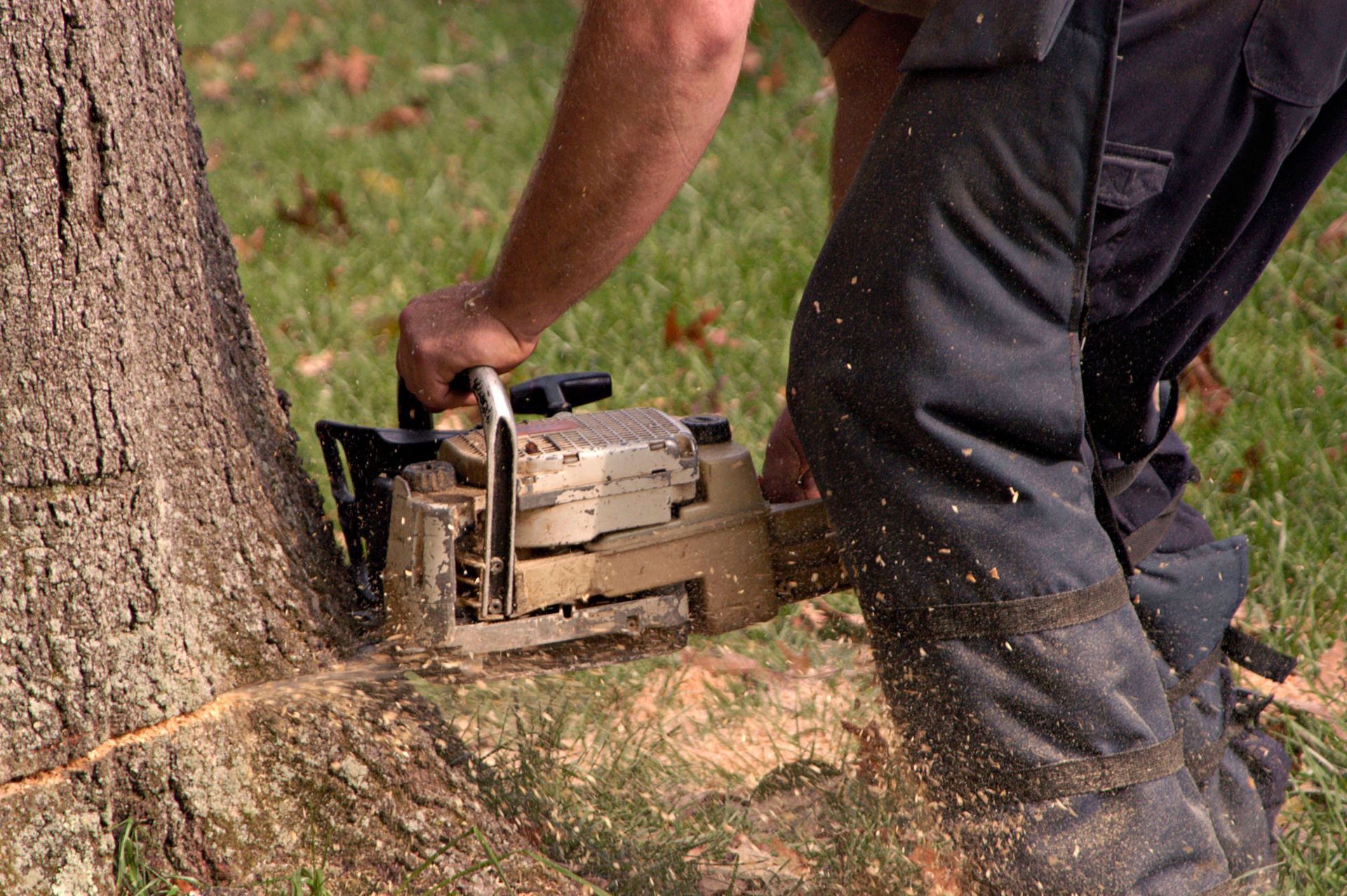
Post-storm cleanup requires specialized knowledge and extreme caution to avoid injury. Tangled branches hold immense stored energy and unpredictable mechanical tension. Utilizing professional tree removal services ensures a systematic and safe neighborhood cleanup. Chainsaw operators understand methods to release tension without causing bodily harm. The landscape returns to a state of order and safety following the professional intervention. Specialized extraction equipment clears the dangerous debris without causing additional property damage.
Expert intervention resolves the complex challenges of failing overgrown vegetation. Arborists possess the necessary equipment and essential knowledge to dismantle dangerous structures. Relying on reputable tree removal services guarantees the protection of homes and families. The extraction of hazardous vegetation restores absolute peace of mind for residents. A safe, secure outdoor environment provides the ultimate reward for diligent property care. Prioritizing safety guarantees a beautiful and secure yard for future generations. If you spot warning signs of structural failure or disease on your property, contact JJC Tree Services LLC today. We offer professional tree removal services designed to safely eliminate hazards and protect your home.